Private Sacred Valley Tour Urubamba Ollantaytambo
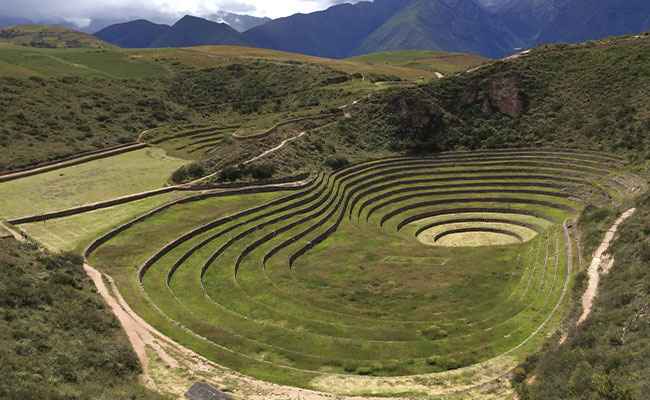
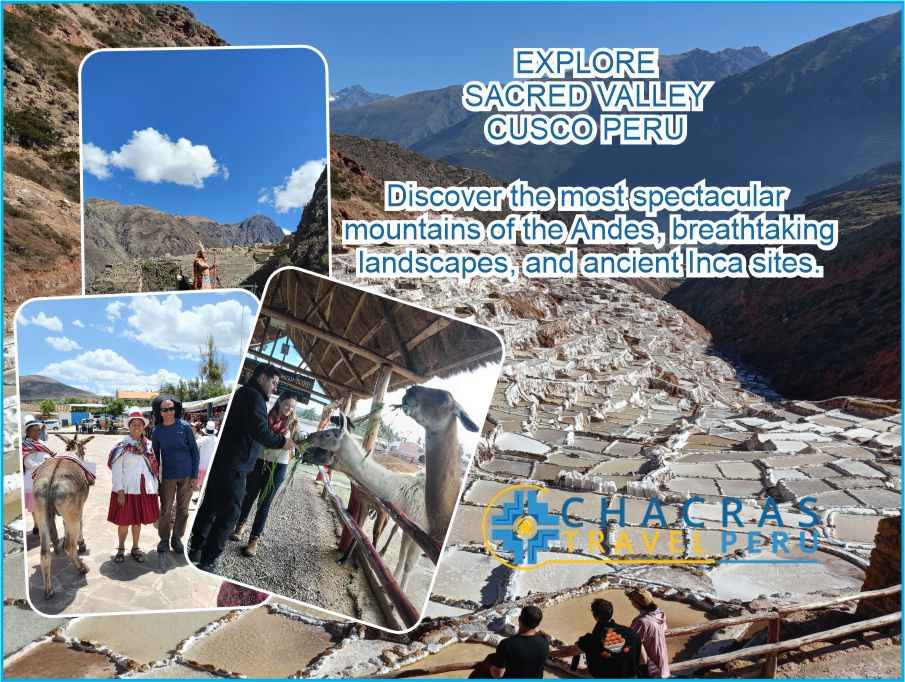
Discover the Sacred Valley of the Incas in Peru on a private and personalized tour from Urubamba or Ollantaytambo with an experienced English-speaking local guide and private transportation.
Our Private Sacred Valley Tour from Urubamba & Ollantaytambo is designed for travelers who want more than a standard group excursion. Enjoy a flexible itinerary, travel at your own pace, spend more time at the places that interest you, and learn about Inca history, Andean culture, archaeology, traditions, and local life from an experienced guide.
You are staying in Urubamba, Ollantaytambo Whether, Cusco, or another location in the Sacred Valley , Chacras Travel Peru can create a private itinerary around your travel plans.