


Sacred Valley Tour with Traditional Pachamanca Food Experience 2026
Discover the authentic flavors of the Andes with a traditional Peruvian Pachamanca experience in Cusco. This unique culinary adventure combines ancestral cooking traditions, delicious Andean food, local culture, and the spectacular landscapes of the Sacred Valley of the Incas.
Pachamanca is much more than a traditional Peruvian meal. It is an ancient cooking tradition that brings people together around food, family, community, and the land.
If you are looking for an authentic Pachamanca experience in Cusco, this is an excellent opportunity to taste traditional Peruvian food while learning about Andean customs and traditions.
What Is Pachamanca?
Pachamanca is one of Peru’s most important traditional Andean dishes. Its name comes from Quechua, combining Pacha, meaning “earth” or “world,” and manka, meaning “pot.”
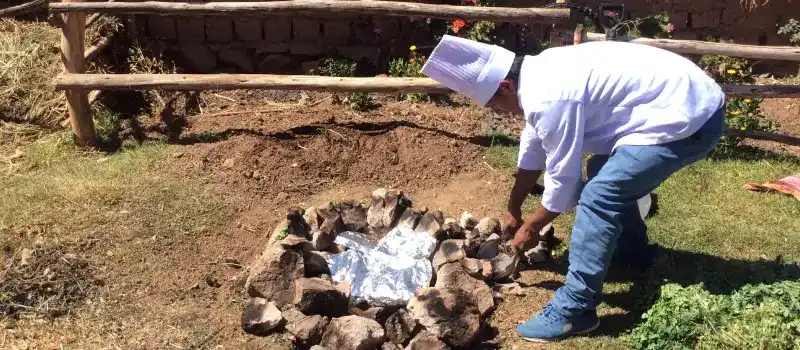
The traditional preparation consists of cooking food underground using heated stones. A special cooking pit is prepared in the ground, where hot stones are carefully placed between layers of meat, potatoes, corn, Andean tubers, beans, and other local ingredients.
The Meaning of Pachamanca
Pachamanca represents the deep relationship between Andean communities, food, nature, and Pachamama (Mother Earth).
It is traditionally prepared as a communal meal during celebrations, festivals, family gatherings, and special occasions.
Pachamanca and Pachamama
The connection between Pachamanca and Pachamama is an important part of Andean cultural traditions.
Cooking food underground symbolizes a connection with the earth and the natural environment that provides food and sustenance to Andean communities.
A Tradition of Community and Celebration
Sharing Pachamanca is not simply about eating. It represents community, gratitude, celebration, and connection with the land.
Pachamanca and Inca Culinary Traditions
Pachamanca has ancient roots in the Andean civilizations of Peru and is traditionally associated with agricultural communities of the highlands.
Although the exact historical development of Pachamanca extends across different Andean cultures and periods, this cooking technique represents an important example of Peru’s living culinary heritage.
When Is Pachamanca Traditionally Prepared?
For generations, Andean families and communities have prepared Pachamanca during:
- Family celebrations
- Agricultural festivals
- Community gatherings
- Religious and cultural celebrations
- Special occasions
Today, Pachamanca remains an important part of Peruvian gastronomy, particularly in the Cusco region and Sacred Valley.
Traditional Pachamanca Ingredients
One of the most exciting parts of a Pachamanca experience is discovering the variety of fresh ingredients used in this traditional dish.
Traditional Meats Used in Pachamanca
Depending on the local preparation, your Pachamanca may include:
- Alpaca meat
- Beef
- Lamb
- Pork
- Chicken
- Guinea pig (cuy)
Native Potatoes and Andean Tubers
Peru is famous for its incredible diversity of potatoes, and native varieties are an essential part of traditional Andean cuisine.
Fresh Andean Ingredients
Pachamanca can also include:
- Native potatoes
- Fresh corn
- Fava beans
- Andean tubers
- Local vegetables
- Aromatic herbs
Local Agricultural Products
Many of these ingredients are grown locally in the Andes and have been part of the traditional Andean diet for centuries.
How Is Pachamanca Cooked?
The preparation of Pachamanca is one of the most fascinating parts of the experience.
Step 1 – Preparing the Cooking Pit
A shallow pit is prepared in the ground. The cooking area is carefully selected and prepared according to local tradition.
Step 2 – Heating the Stones
Special stones are heated over a fire until they reach a high temperature. These stones become the natural cooking source for the Pachamanca.
Step 3 – Preparing the Ingredients
The meats and vegetables are seasoned with local herbs and traditional Andean ingredients.
Traditional Andean Seasonings
Local herbs and spices are used to marinate the meats and vegetables before they are placed inside the cooking pit.
Step 4 – Building the Pachamanca
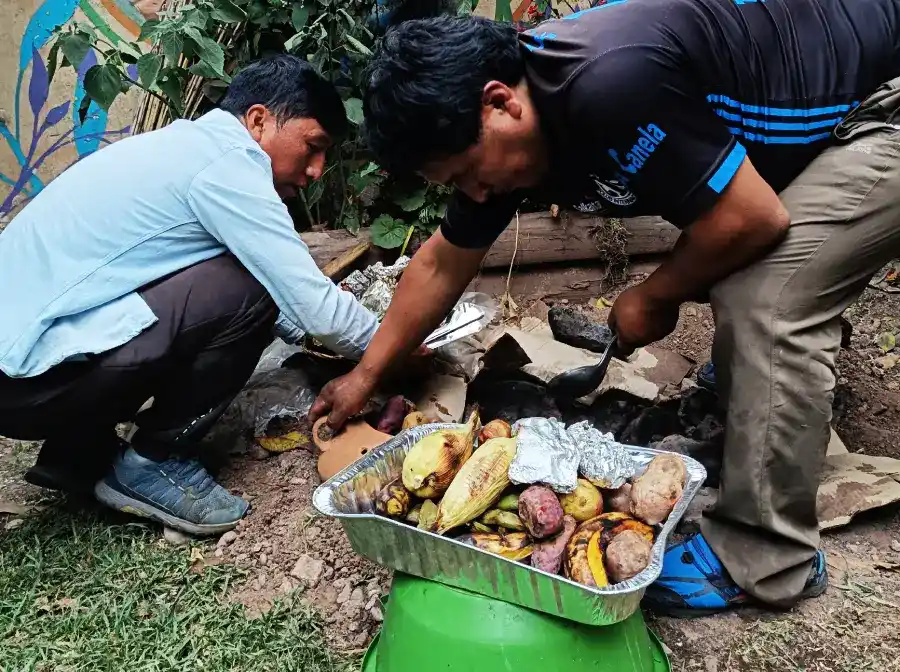
The hot stones and ingredients are arranged in layers. Meat, potatoes, corn, beans, and tubers are placed between the heated stones.
Step 5 – Covering the Pachamanca
The food is covered with natural materials and earth, creating an underground oven.
Step 6 – Slow Cooking Underground
The ingredients cook slowly using the heat retained by the stones. This traditional method creates a distinctive flavor and tender texture.
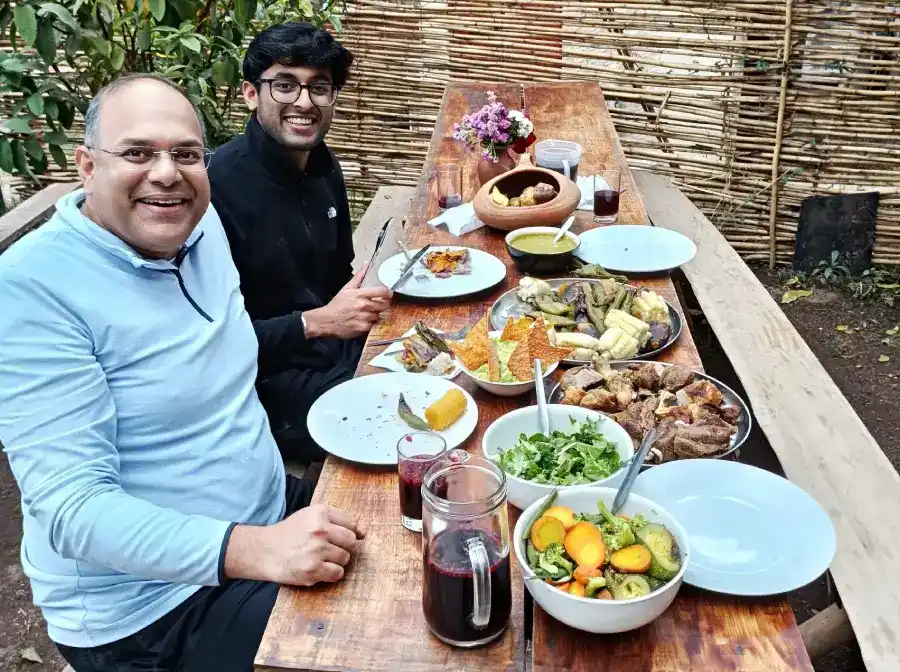
Step 7 – Sharing the Meal
Once the Pachamanca is ready, the coverings are carefully removed and the food is served.
A Traditional Andean Meal
This final moment is an important part of the experience because Pachamanca is traditionally about sharing food and celebrating community.
Pachamanca Experience in the Sacred Valley of Peru
The Sacred Valley of the Incas provides an extraordinary setting for experiencing traditional Andean cuisine.
Surrounded by mountains, agricultural terraces, traditional villages, and ancient archaeological sites, the Sacred Valley allows visitors to experience Peru beyond its famous tourist attractions.
Combine a Sacred Valley Tour with Pachamanca
Combining a Sacred Valley tour with a Pachamanca experience allows you to explore the region and enjoy an authentic local meal during the same day.
Sacred Valley Attractions You Can Visit
Depending on your itinerary, the experience can be combined with:
Chinchero
Discover the archaeological remains of Chinchero and learn about traditional Andean weaving and textile production.
Maras Salt Mines
Visit the spectacular salt terraces of Maras, where salt has been harvested from natural saline springs for generations.
Moray
Explore the famous circular agricultural terraces of Moray and learn about their possible role in ancient Andean agriculture.
Pisac
Visit the archaeological site and traditional market of Pisac while enjoying impressive views of the Sacred Valley.
Ollantaytambo
Explore one of the most impressive living Inca towns in Peru, famous for its monumental archaeological complex and traditional streets.
Taste Authentic Andean Flavors
Pachamanca is famous for its combination of natural ingredients and traditional seasonings.
Chicha Morada
Your culinary experience can also include chicha morada, a traditional Peruvian drink prepared from purple corn.
This refreshing beverage is popular throughout Peru and is an excellent complement to a traditional Andean meal.
Traditional Andean Chili Sauce
Another delicious element is the traditional chili sauce served with Pachamanca.
Local Herbs and Native Ingredients
Depending on the local recipe, the sauce can be prepared with toasted corn, native peppers, herbs, and other local ingredients.
Why Try a Pachamanca Experience in Cusco?
There are many reasons to include a Pachamanca experience in your Cusco itinerary.
Experience Authentic Peruvian Food
Instead of simply eating at a restaurant, discover how one of Peru’s most traditional dishes is prepared using an ancestral cooking technique.
Learn About Andean Culture
Pachamanca provides an opportunity to learn about Andean traditions, local agriculture, community life, and the cultural importance of food.
Enjoy Local Ingredients
Many ingredients come directly from the Andean countryside, including native potatoes, corn, beans, herbs, and traditional meats.
Combine Food and Sightseeing
A Pachamanca experience can be combined with a Sacred Valley tour, allowing you to explore some of Cusco’s most impressive landscapes and archaeological sites.
Support Local Communities
Choosing a local Pachamanca experience helps support local cooks, farmers, communities, and traditional cultural practices.
Pachamanca Tour in Cusco – A Cultural and Gastronomic Experience
Our Pachamanca tour in Cusco is designed for travelers who want more than conventional sightseeing.
You will have the opportunity to discover the Sacred Valley while experiencing an important part of Andean culinary culture.
Who Is This Experience For?
This culinary experience is ideal for:
- Couples
- Families
- Friends
- Solo travelers
- Food lovers
- Cultural travelers
- International visitors
- Travelers exploring the Sacred Valley
Perfect for Food and Culture Lovers
It is especially recommended for visitors who want to discover authentic Peruvian food and living Andean traditions.
Traditional Pachamanca and Pachamama
The connection between Pachamanca and Pachamama, or Mother Earth, is an important part of Andean cultural traditions.
Connection Between Food, Earth, and Andean Culture
Cooking food underground represents a symbolic connection with the earth and the natural environment.
Pachamanca as a Living Tradition
For many local people, sharing Pachamanca is a way of celebrating community, expressing gratitude, and maintaining ancestral traditions.
Preserving Andean Culinary Heritage
Experiences such as Pachamanca help preserve traditional cooking methods and introduce visitors to Peru’s rich cultural heritage.
Best Time to Enjoy a Pachamanca Experience in Cusco
A Pachamanca experience can be enjoyed throughout the year in the Cusco region, depending on local availability and weather conditions.
Pachamanca During the Dry Season
The dry season, generally from May to October, is especially popular for travelers visiting Cusco and the Sacred Valley.
Pachamanca During the Rainy Season
The rainy season can also offer beautiful landscapes and fewer tourists, although outdoor activities may depend more on weather conditions.
Pachamanca Experience with Chacras Travel Peru
Whether you are looking for a Pachamanca tour in Cusco, a Pachamanca experience in the Sacred Valley, or a full-day cultural tour combining sightseeing and traditional Peruvian food, we can help you create a memorable experience.
Create Your Cusco Culinary Experience
Discover Pachamanca, taste authentic Andean flavors, and connect with the living traditions of Peru.
Frequently Asked Questions About Pachamanca in Cusco
What Is Pachamanca in Peru?
Pachamanca is a traditional Andean cooking method in which meats, potatoes, corn, beans, and other ingredients are cooked underground using heated stones.
Is Pachamanca an Inca Dish?
Pachamanca has ancient Andean roots and is associated with long-standing indigenous culinary traditions. While it is often described as an Inca-era tradition, its development spans different Andean cultures and periods.
What Meat Is Used in Pachamanca?
Traditional Pachamanca may include lamb, pork, chicken, beef, alpaca, and guinea pig (cuy), depending on the local preparation.
Where Can I Try Pachamanca Near Cusco?
Pachamanca can be experienced in different communities and restaurants around the Cusco region, particularly in areas of the Sacred Valley and surrounding Andean countryside.
What Is Served with Pachamanca?
Pachamanca is commonly served with native potatoes, corn, fava beans, Andean tubers, vegetables, local herbs, chili sauces, and traditional Peruvian beverages.
Is Pachamanca Suitable for International Tourists?
Yes. Pachamanca is an excellent cultural and gastronomic experience for international visitors who want to discover traditional Peruvian cuisine and Andean culture.
Can I Combine Pachamanca with a Sacred Valley Tour?
Yes. A Pachamanca experience can be incorporated into a customized Sacred Valley itinerary, allowing you to combine sightseeing, cultural experiences, and traditional Peruvian cuisine in one day.
Experience the Flavors and Traditions of the Peruvian Andes
A traditional Pachamanca experience in Cusco offers something that ordinary sightseeing cannot provide: the opportunity to taste Peru’s cultural heritage.
From the heated stones and underground cooking process to the native ingredients and communal meal, every part of Pachamanca tells a story about the relationship between Andean people, food, nature, and Pachamama.
Join us for an unforgettable Pachamanca food experience in Cusco and the Sacred Valley and discover one of Peru’s most fascinating culinary traditions.+
Book Your Traditional Pachamanca Experience in Cusco
To confirm your booking, you need to send us a deposit of US$20 through our PayPal account. Please note that PayPal charges a 7% fee on any transfer, which is paid by the sender. For this reason, the total amount you need to send is US$22.
The remaining balance is paid in cash upon your arrival in Cusco. After sending the deposit, please send the following details to our WhatsApp number: +51 943 388 685:
- Tour date and type of tour
- Number of people
- Address in Cusco city for hotel pickup
- Email address to stay in contact
- Copy of your passport (profile page only) for Peruvian tax purposes
Once we receive the deposit and your details, we will send you an email confirmation of the payment and your tour reservation.
Note:
The US$22 deposit is paid via PayPal, and the remaining balance is paid in cash in Cusco, either in US dollars or Peruvian soles, whichever you prefer. Please make sure the final payment is made with clean, undamaged US dollar bills, as torn or damaged bills are not accepted in Peru.
PayPal account for the deposit:
deposit@chacrastravelperu.com